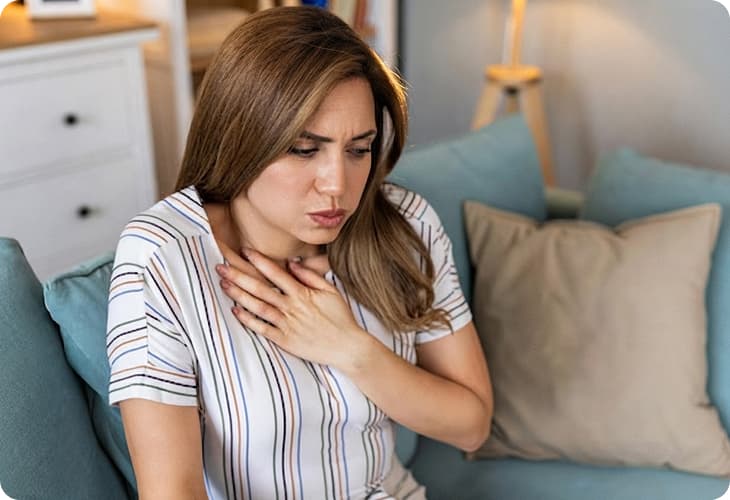
A sudden pain in your chest can worry anyone. You might wonder if it's indigestion, a pulled muscle, or something more serious.
Chest pain is a common symptom. It has many possible causes. Sometimes a minor problem causes it. Other times, it signals a heart attack or another serious condition.
This guide explains the common causes of chest pain and the warning signs to watch for. It also covers heart attack symptoms, blood clots and when you may need emergency treatment.
What Does Chest Pain Feel Like?
Chest pain can affect anywhere between your neck and upper abdomen. It doesn't feel the same for everyone. You might notice:
- Pressure or tightness
- A sharp pain or stabbing sensation
- Burning or general discomfort
- A heavy or squeezing feeling
- Pain that comes and goes
- Pain that gets worse when you breathe or move
Heart-related chest pain often sits in the centre or left side of the chest. But it can also spread elsewhere in the body. So the location alone won't tell you the cause.
Common Causes of Chest Pain
Chest pain can come from your heart, lungs, digestive system, muscles or bones. It can also come from anxiety.
Heart-related causes
- Angina — reduced blood flow to the heart, often during physical activity
- Heart attack — a blockage severely cuts blood flow to part of the heart
- Pericarditis — inflammation around the heart, causing sharp pain
- Abnormal heart rhythms — these can cause discomfort, palpitations or dizziness
- Coronary artery disease — narrowed arteries reduce blood flow to the heart
Lung and breathing problems
A pulmonary embolism, pneumonia, a chest infection, a collapsed lung, or asthma can all cause chest pain. A pulmonary embolism can be life-threatening. It needs urgent medical attention.
Digestive problems
Acid reflux, heartburn, stomach ulcers, or gallstones can all cause chest pain. These can feel similar to a heart problem.
Muscle and bone problems
A pulled chest muscle, a rib injury, or inflammation around the ribs can cause pain. Movement, twisting, coughing or deep breaths often make it worse.
Panic attacks and anxiety
Anxiety and panic attacks can cause chest tightness, a racing heartbeat, sweating and shortness of breath. Don't assume new chest pain comes from anxiety, though. Rule out physical causes first.
Symptoms of a Heart Attack
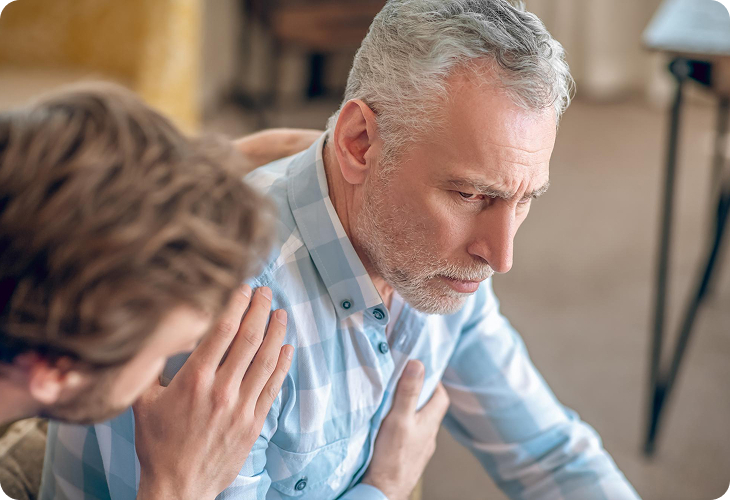
A heart attack happens when blood flow to part of the heart becomes severely reduced or blocked. Chest discomfort is one of the most recognised warning signs, but symptoms vary from person to person. Watch for:
- Pain or discomfort that spreads to an arm, shoulder, neck, jaw or back
- Shortness of breath
- Sweating, nausea or vomiting
- Dizziness or feeling faint
- Unusual weakness or tiredness
If you think you or someone else is having a heart attack, call 999 immediately. Early emergency treatment limits damage to the heart. It also improves the chances of recovery.
Heart Attack vs Cardiac Arrest
A heart attack and a cardiac arrest are different emergencies.
A heart attack blocks blood flow to part of the heart. A cardiac arrest stops the heart from pumping blood effectively. The person becomes unresponsive and stops breathing normally.
If someone is unresponsive and not breathing normally, follow these steps:
- Call 999 immediately
- Follow the emergency call handler's instructions
- Start CPR if instructed
- Use an automated external defibrillator (AED) if one is available
Both conditions need immediate emergency care.
Chest Pain and Blood Clots
A blood clot can travel from another part of the body to the lungs. This causes a pulmonary embolism. It can trigger sudden shortness of breath, chest pain that worsens when you breathe in, a fast heartbeat, coughing, and feeling faint or dizzy. Some people cough up blood.
A pulmonary embolism can be life-threatening. Call 999 immediately if you have sudden shortness of breath or chest pain along with these symptoms.
When Chest Pain May Not Be an Emergency?
Some chest pain has a less serious cause, such as indigestion, muscle strain or a minor injury. Pain after upper-body exercise, for example, may come from a strained muscle. Burning discomfort after eating may point to acid reflux.
Even so, don't rely on symptoms alone to rule out something serious. If your chest pain is new, unexplained, keeps returning, or worries you, book a medical assessment.
Who Is More at Risk of Heart Problems?
Several factors raise your risk of heart disease:
- Smoking
- High blood pressure
- High cholesterol
- Diabetes
- Being overweight
- Physical inactivity
- A family history of heart disease
- Increasing age
Having one or more risk factors doesn't mean your chest pain comes from your heart. But it does mean you should take new or unexplained symptoms seriously.
How Doctors Diagnose Chest Pain?
A doctor will ask about your symptoms, medical history and risk factors. They may ask when the pain started and where you feel it. They will also ask what the pain feels like and what makes it better or worse.
Your doctor may ask whether the pain spreads to another part of your body. They may also ask about other symptoms, such as shortness of breath, sweating, nausea or dizziness.
Depending on your symptoms, a clinician may recommend blood tests, an ECG, a chest X-ray, an echocardiogram, a CT scan, or other heart or lung investigations.
If your symptoms suggest an emergency, you will need immediate assessment and treatment rather than routine testing.
What Should You Do If You Have Chest Pain?
If sudden or severe chest pain develops, stop what you're doing and seek emergency help. Call 999 if the pain is severe, persistent, or comes with any of the warning signs above. Don't drive yourself to hospital.
If the pain is mild but new, unexplained, or keeps returning, book a medical assessment rather than ignoring it. Even if it feels like a long-term, low-level issue.
Chest Pain and Urgent Care in Milton Keynes
If your symptoms are urgent but not life-threatening, a private GP or urgent care service can assess you. Bloom Health Hospital in Milton Keynes offers private walk-in GP and urgent care for non-life-threatening conditions. A clinician will assess your symptoms and decide whether you need further investigation or specialist care.
How Bloom Health Hospital Supports Your Heart Health in Milton Keynes?
Understanding your heart health helps you act early when something changes. Depending on your clinical needs, your assessment may include a medical consultation and diagnostic tests.
Bloom Health Hospital offers diagnostic and specialist services in Milton Keynes. These services support the assessment of symptoms and wider heart health concerns when clinically appropriate.
If you have ongoing concerns about chest discomfort, heart health, or related symptoms, speak to a qualified healthcare professional.
Final Thoughts
Chest pain has many causes. Some are minor. Others need immediate medical attention. Don't ignore chest pain that is new, severe or unexplained.
If chest pain comes with shortness of breath, sweating, nausea, or pain that spreads to your body, call 999 immediately. Getting the right medical assessment at the right time can make a real difference.

Medical disclaimer:
The information in this article is provided for general guidance only. Chest pain can have different causes and should not be self-diagnosed. If you are experiencing unexplained or concerning chest pain, speak to a healthcare professional for appropriate assessment. For severe or potentially life-threatening symptoms, call 999.
About this Article