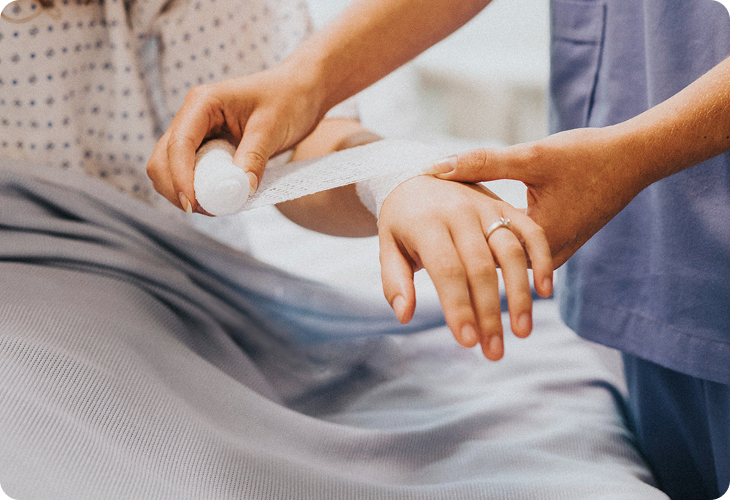
A fall can leave your wrist sore for days. A ball can hit your finger and cause sudden pain and swelling. You may also develop hand or wrist pain after lifting, sport or other everyday activities.
Some injuries improve with rest and time. Others need a proper assessment. A fracture, tendon injury or ligament problem can sometimes feel like a simple sprain at first.
If you have a hand injury, knowing when to get checked can help you take the right next step.
Bloom Health Hospital can assess urgent, non-life-threatening injuries and advise whether you need further investigation or treatment.
This includes hand injury treatment in Milton Keynes, as well as assessment for wrist and finger injuries. Where clinically appropriate, an X-ray or ultrasound may also be arranged.
What Causes Hand, Wrist and Finger Injuries?
Hand and wrist injuries can happen during sport, work or everyday activities. A fall, knock or awkward movement can put sudden stress on the bones, joints and soft tissue.
Sports injuries are a common cause. You may land on your hand during football or netball. You may catch a ball awkwardly or take a knock during a contact sport. A fall from a bike can also cause an injury to the hand or wrist.
Other problems develop more gradually. Repeated gripping, lifting or wrist movements can contribute to pain and stiffness over time. This can affect work, exercise, gardening, DIY and other daily activities.
The cause is not always obvious. If pain continues or starts to affect how you use your hand, an assessment can help identify the possible cause.
Hand Injury Symptoms and When to Seek Help
Pain is one of the most common signs of a hand injury. You may also notice swelling, bruising or stiffness. Your grip may feel weaker than usual.
A hand injury can make simple daily activities more difficult. Opening a jar, typing, cooking or carrying shopping may become uncomfortable.
Some minor injuries improve with rest, reduced activity and appropriate pain relief. If the pain continues, swelling does not settle or you cannot use your hand normally, it is worth getting checked.
You should also seek medical advice if your hand looks deformed after an injury or you develop significant pain following a fall or direct impact.
A clinician can examine your hand and look for signs of a fracture, sprain or soft tissue injury. They can then decide whether an X-ray or another investigation is appropriate.
Wrist Injury Symptoms
A wrist injury can happen after a fall, sports injury or direct impact. Landing on an outstretched hand can put considerable force through the wrist.
This can cause a sprain or other soft tissue injury. In some cases, it can cause a fracture. Pain and swelling alone do not always show which type of injury you have.
Wrist pain can also develop without one clear accident. Repeated movements may contribute to aching, stiffness or weakness. Tingling and numbness can have other causes, including carpal tunnel syndrome.
Conditions such as rheumatoid arthritis can also affect the hands and wrists. They may cause pain, swelling and stiffness that develop over time. This is different from an injury caused by a sudden accident and may need a different type of assessment.
If wrist pain is affecting your daily activities or is not improving, an assessment can help identify the possible cause.
Finger Injuries: Symptoms and Treatment
A finger injury can happen during sport, a fall or an everyday accident. A sudden knock can cause pain and swelling around the finger or one of its joints.
You may notice bruising or have difficulty bending or straightening the finger. The finger may also look different from the other hand after a more serious injury.
Swelling can occur with many types of injury. Some people may notice fluid-filled swelling around an affected joint. Persistent swelling, pain or restricted movement should be assessed.
A finger injury does not always mean a broken bone. It could involve a sprain, tendon or ligament. A clinician can assess the finger and decide whether you need an X-ray or further investigation.
The right finger injury treatment in Milton Keynes depends on what the assessment shows. Some injuries may need rest and support, while others may require further investigation or onward referral.
When Should You Get a Hand, Wrist or Finger Injury Checked?
Not every minor knock needs medical attention. Some injuries improve with rest, reduced activity and appropriate pain relief.
However, you should consider getting checked if pain continues, swelling does not settle or movement remains restricted. Numbness, tingling or weakness are also reasons to seek medical advice.
You should also get an assessment if your hand, wrist or finger looks deformed after an injury. Significant pain after a fall or direct impact is another reason to seek medical advice.
An old injury also deserves attention if it continues to cause problems. Chronic pain can affect work, exercise, sleep and other daily activities.
Getting the problem assessed can help you understand what may be causing your symptoms and what you can do to support your recovery.
How Is a Hand or Wrist Injury Assessed?
Your assessment starts with a discussion about your symptoms. The clinician will ask how the injury happened and when your pain began.
They will examine the affected area and look for swelling, tenderness and changes in movement. They may also check your grip and how well you can use your hand or wrist.
Sometimes the examination provides enough information to decide on the next step. In other cases, imaging may be useful.
This evidence-based approach considers your symptoms, medical history and examination findings. It helps the clinician decide whether an X-ray, ultrasound or another investigation is appropriate.
You do not necessarily need a scan for every hand, wrist or finger injury. Imaging is recommended when it is clinically appropriate.
When Might You Need an X-Ray?
An X-ray can help identify fractures and other problems affecting the bones. Your clinician may recommend one after a fall, impact or sports injury when a fracture is suspected.
An X-ray may be useful when you have pain or tenderness after an accident. The same applies to wrist and finger injuries when the assessment suggests that a fracture could be present.
An X-ray does not show every type of injury. Problems affecting soft tissue, such as some tendon and ligament injuries, may need a different type of investigation.
Bloom Health Hospital provides private walk-in X-ray services in Milton Keynes. If an X-ray is clinically appropriate, the team can arrange the imaging where available.
When Might an Ultrasound Be Used?
Not every hand, wrist or finger problem involves the bones. Some conditions affect the soft tissues around the joints, including tendons and other structures.
An ultrasound scan can produce detailed images of soft tissue and may be used when a clinician needs more information about a particular problem. It does not use radiation and can be useful in assessing some areas that are difficult to examine fully.
Whether you need an ultrasound depends on your symptoms and clinical assessment. It is not necessary for every injury, and an X-ray may be more appropriate when a fracture is suspected.
Bloom Health Hospital provides private ultrasound services in Milton Keynes. If imaging is clinically appropriate, the clinician can advise on the most suitable examination for your symptoms.
What Happens During an Assessment?
Your clinician will explain what they are checking and why. If imaging is needed, they will discuss the appropriate examination with you.
For an X-ray, a radiographer positions the affected area and takes the required images. The imaging itself is usually quick, although the total visit may take longer.
For an ultrasound, a sonographer applies gel to the skin and moves a probe over the area being examined. Ultrasound uses sound waves and does not use X-rays.
The time needed depends on the type of examination and the area being assessed.
What Treatment Might You Need?
Treatment depends on the type and severity of the injury. A minor sprain may improve with rest, reduced activity and appropriate pain relief.
Some injuries may need temporary support while they heal. More significant injuries may need further assessment or onward referral.
For some ongoing soft tissue problems, manual therapy may form part of a treatment plan where appropriate. This can include hands-on treatment and exercises based on your individual needs.
The aim is to improve movement and help you return to normal activities. The right treatment and gradual return to activity may support a faster recovery, although recovery time varies between people and injuries.
Good care is not only about feeling better quickly. It should also support your long-term recovery and help you return to normal movement safely.
Hand Injury Treatment in Milton Keynes
Hand injury treatment in Milton Keynes depends on the type of injury and how it affects your hand.
A minor injury may improve with rest, reduced activity and appropriate pain relief. If swelling or pain affects your grip or finger movement, you may need an assessment to check for a more significant injury.
Hand injuries can involve different structures. A fall may cause a fracture, while a sudden movement can affect a tendon or ligament. Some problems can also develop gradually and cause ongoing pain during everyday activities.
If you have persistent hand pain, your clinician can examine the affected area and consider possible causes. These may include an old injury, soft tissue problems or conditions such as rheumatoid arthritis.
The next step will depend on the findings. You may only need advice and self-care, while some injuries may require imaging, temporary support or onward referral.
Wrist Injury Treatment in Milton Keynes
Wrist injury treatment in Milton Keynes starts with understanding what caused the pain and how the wrist is affected.
A wrist injury after a fall may cause pain when you move or put weight through your hand. Swelling and tenderness can also occur. If a fracture is suspected, your clinician may recommend an X-ray.
Not all wrist pain follows an accident. Tingling, numbness or weakness in the hand can sometimes be linked to carpal tunnel syndrome, while ongoing stiffness and swelling may have other causes.
For a wrist problem that has lasted several weeks, an assessment can help determine whether you need further investigation. Depending on the findings, your clinician may recommend pain relief, activity changes, exercises, imaging or onward care.
The aim is to understand the cause of your symptoms and choose an appropriate approach rather than treating every wrist problem in the same way.
How Long Does Recovery Take?
There is no single recovery time for a hand, wrist or finger injury. A minor injury may improve within days or weeks. A fracture or more significant soft tissue injury can take longer.
Your recovery also depends on the type of injury and how you use the affected area. Returning to sport, work or heavy activity too soon may aggravate some injuries.
Your clinician can explain what to expect based on your assessment. Following the recommended treatment and gradually returning to normal activities can support your recovery.
If symptoms continue or movement does not improve, you may need another assessment rather than simply waiting longer.
Can You Get Treatment Without a GP Referral?
You do not always need a GP referral to seek an assessment for an urgent, non-life-threatening hand, wrist or finger injury.
Bloom Health's Urgent Care service is open from 8am to 10pm, seven days a week. You can attend without an appointment for urgent, non-life-threatening injuries and illnesses.
A clinician can assess your injury and decide whether you need an X-ray or another investigation.
For a non-urgent problem, you can book an appointment with the Private Walk-in GP service. Our GP services are available from 2pm to 10pm, seven days a week.
If you need assessment for a hand injury in Milton Keynes today, contact Bloom Health to check current availability and discuss the most appropriate option.
What About Wait Times?
Private healthcare can be an option for people looking for an alternative to a routine appointment. However, appointment and imaging availability can change.
If you are concerned about wait times, contact Bloom Health before attending. The team can confirm current availability and explain the appointment options.
Urgent Care is available from 8am to 10pm, seven days a week, without an appointment. Non-urgent concerns can be arranged through the GP service.
What If the Injury Has Been There for Weeks?
You do not have to wait until an old injury becomes severe before getting advice.
Perhaps your wrist has been painful since a fall several weeks ago. Maybe your finger is still stiff after a sports injury. You may also have ongoing hand pain that is making work or other daily activities harder.
An assessment can help establish whether the problem is still related to the original injury or whether another cause needs to be considered.
This can be particularly useful when thinking about long-term recovery. Understanding the cause of persistent symptoms can help you discuss the right next step with a clinician.
How Much Does Treatment Cost?
The cost depends on the assessment and whether you need additional services such as an X-ray or ultrasound.
For the latest information, check the Bloom Health prices page or contact the team before you book your initial assessment.
The team can explain the relevant costs based on the service you need.
Get Your Hand Injury Checked in Milton Keynes
A hand, wrist or finger injury can affect simple parts of your day. Working, driving, exercising and even opening a jar can become difficult when your hand hurts.
If the pain is not improving, you have significant swelling or you are concerned about a fracture, an assessment can help you understand what to do next.
Bloom Health Hospital provides assessment and hand injury treatment in Milton Keynes, as well as assessment for wrist and finger injuries. Where clinically appropriate, the team can arrange X-ray or ultrasound imaging.
For urgent, non-life-threatening injuries, you can attend Urgent Care from 8am to 10pm, seven days a week, without an appointment. For a non-urgent problem, you can book your initial assessment through the Private Walk-in GP service, available from 2pm to 10pm.
If you are unsure what you need, contact Bloom Health. The team can explain the available options and help you understand the appropriate next step.

Medical disclaimer:
This article provides general information about hand, wrist and finger injuries. It does not replace medical advice, diagnosis or treatment. Speak to a qualified healthcare professional if you are concerned about an injury. For severe injuries, seek urgent medical attention.
About this Article