High blood pressure is a silent condition. It rarely announces itself. It usually causes no pain, no obvious warning, and no single day when you feel it begin.
You can live with elevated blood pressure for years. All the while, it quietly strains your heart, your arteries and your kidneys.
High blood pressure often causes no symptoms at all, so the only reliable way to know your risk is a blood pressure check.
Around one in three UK adults has high blood pressure, and many do not know it. A blood pressure check takes only a few minutes, is painless, and can help identify a problem before it causes noticeable symptoms.
This guide explains what high blood pressure is, why symptoms so often stay hidden, what your blood pressure numbers mean, the risk factors involved, and how to arrange a blood pressure check in Milton Keynes.
What Is High Blood Pressure?
Blood pressure measures the force of your blood as it pushes against the walls of your blood vessels. Your heart creates this force every time it beats and pumps blood around your body. Some pressure is normal and necessary.
It is what moves blood to your organs and tissues.
Doctors also call high blood pressure hypertension, and people often use both terms to mean the same thing. It happens when that force stays higher than it should be, for a sustained period.
Over time, persistently high blood pressure can damage your blood vessels and put extra strain on your heart. This can increase your risk of heart disease, stroke and kidney problems.
The key word is persistently. A single raised reading does not mean you have hypertension. Your blood pressure naturally rises and falls through the day. Exertion, stress, caffeine, and even the mild nerves of a clinical setting can push it up briefly.
Doctors diagnose hypertension from a pattern of readings, not from one moment.
High Blood Pressure Symptoms
Here is the central problem: most people with high blood pressure have no symptoms at all. Doctors rarely diagnose it because someone feels unwell. They diagnose it because someone measured it.
When hypertension symptoms do appear, they usually mean your pressure has climbed very high. They can include:
- Headaches, especially recurring ones.
- Blurred or disturbed vision.
- Chest pain.
- Dizziness, or a pounding feeling in your chest, neck or ears.
These symptoms can have many other causes and do not confirm high blood pressure. Most people with high blood pressure have no symptoms at all. The only reliable way to know your blood pressure is to have it measured.
Seek Emergency Care Immediately If You Notice Any of These Signs
- Severe or persistent chest pain
- Sudden difficulty breathing
- Sudden weakness or numbness on one side of the body
- Difficulty speaking or understanding speech
- A sudden, severe headache, particularly if it is accompanied by other neurological symptoms
These symptoms can indicate a medical emergency, including a heart attack or stroke. Call 999 immediately.
Understanding Blood Pressure Numbers
A blood pressure reading always shows two numbers, written like this: 128/78 mmHg.
- The top number (systolic) measures the pressure in your arteries when your heart beats.
- The bottom number (diastolic) measures the pressure when your heart relaxes between beats.
When Is Blood Pressure Considered High?
- 140/90 mmHg or higher when measured by a healthcare professional.
- 135/85 mmHg or higher when measured at home.
A single raised reading does not automatically mean you have high blood pressure. Blood pressure changes throughout the day, and factors such as stress, activity and caffeine can temporarily affect your reading.
If your blood pressure is raised, your clinician may recommend further measurements at home or using a 24-hour ambulatory blood pressure monitor to confirm the result.
Why Untreated High Blood Pressure Matters?
Untreated high blood pressure damages your body slowly and silently. It is one of the most preventable causes of serious illness in the UK. Sustained hypertension raises your risk of:
- Heart attack and coronary heart disease.
- Stroke.
- Heart failure, as your heart muscle thickens and tires under constant strain.
- Kidney disease, as it damages the small vessels inside your kidneys.
- Vision loss, through damage to the delicate vessels in your eyes.
- Vascular dementia, linked to reduced blood flow to your brain.
Here is the encouraging part: these are risks, not certainties, and they respond well to action. Lowering your blood pressure cuts your chance of these problems.
This works through lifestyle change, medication, or both. Early detection makes that possible.
Early detection and effective management can help reduce the risk of complications from high blood pressure.
Risk Factors for High Blood Pressure
You can change some risk factors; others, you cannot. Knowing your risk factors can help you understand why regular blood pressure checks are important.
Risk factors you can change:
- A diet high in salt, or low in fruit and vegetables.
- Carrying extra weight.
- Limited physical activity.
- Drinking above the recommended alcohol limits.
- Smoking.
- Sustained stress and poor sleep.
- High caffeine intake.
Risk factors you cannot change:
- Age — the risk of high blood pressure increases as you get older. Adults aged 40 and over should have their blood pressure checked at least every five years.
- A family history of hypertension or heart disease.
- Ethnic background — people from Black African, Black Caribbean and South Asian backgrounds may have a higher risk of high blood pressure.
- Existing conditions, including diabetes and kidney disease.
The risk of high blood pressure climbs when several of these factors overlap. Even so, having none of them does not rule it out. This brings us back to the same conclusion: measure it, do not assume it.
Primary (essential) Hypertension and Secondary Hypertension
Doctors call most cases primary hypertension. This means there is no single cause. It builds up slowly, over years, through a mix of the risk factors above.
Less often, high blood pressure comes from a clear medical cause, such as a kidney problem, a hormone problem, or a sleep breathing disorder. Some medicines can cause it too, including certain contraceptive pills and some painkillers. Doctors call this secondary hypertension.
Doctors suspect secondary hypertension in a few cases. Your blood pressure runs very high. It develops suddenly.
It shows up at a younger age. Or it does not respond as expected to treatment. In these cases, your clinician may run further tests to find the cause.
How to Check Blood Pressure?
Learning how to check blood pressure properly matters, because technique changes the result. You have two main options: a clinical check, or measuring your blood pressure at home.
During a clinical check
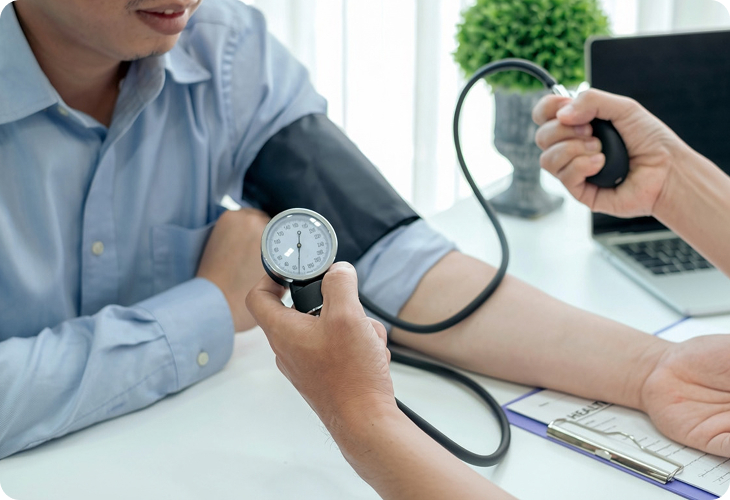
A clinician wraps a cuff around your upper arm and inflates it briefly, then releases it as they take the reading. This causes no pain, takes a couple of minutes, and needs no preparation.
Your clinician may take more than one reading, or ask you to sit quietly first, since this gives a more accurate result.
If you check your blood pressure at home
- Choose a validated upper-arm monitor rather than a wrist device, and check the cuff fits your arm.
- Sit and rest quietly for five minutes beforehand. Keep your back supported and your legs uncrossed.
- Rest your arm on a table at roughly heart height, and stay quiet during the reading.
- Avoid caffeine, smoking and exercise for at least thirty minutes beforehand, and empty your bladder first.
- Take your readings at the same times each day, usually in the morning and evening, for the number of days recommended by your healthcare professional.
- Check blood pressure at the same times each day, typically morning and evening, for a week.
Do not rely on a single reading.
Bring your log of readings to your appointment. A week of home measurements often gives a clearer picture than one clinic reading alone. It also helps your clinician spot true hypertension, rather than a reading pushed up by nerves alone.
Who Should Have a Blood Pressure Check?
Book a blood pressure check if any of these apply to you:
- You are 40 or over, and have not had one in the past five years.
- You have any of the risk factors listed above.
- A close relative has high blood pressure, heart disease, or has had a stroke.
- You have diabetes, kidney disease, or carry excess weight.
- You are pregnant, or planning a pregnancy.
- You take medication known to affect blood pressure.
- You have recorded a raised reading at home, at a pharmacy, or on a health kiosk.
If you cannot remember when you last had your blood pressure checked, it may be worth arranging a check.
Already diagnosed with high blood pressure? Regular checks matter even more, so you and your doctor can track how well treatment is working.
Having a Blood Pressure Test at Bloom Health Hospital Milton Keynes
A blood pressure test takes just a few minutes. At our Walk-In Centre in central Milton Keynes, you can have one done the same day, with no appointment needed. A typical visit includes:
- A doctor measuring your blood pressure, usually taking more than one reading.
- A discussion of your history, lifestyle, medications and family background.
- Blood tests or an ECG where our clinicians recommend them, to check your wider heart and kidney health.
- A clear explanation of what your blood pressure numbers mean for you.
- Practical guidance on lifestyle changes, home monitoring, and next steps.
- An onward referral to our Cardiology specialists, arranged where your results need closer follow-up.
Our doctors direct every test, and they will advise you on exactly which ones are useful for you. If your reading needs confirming over time, you will leave knowing your follow-up plan and who will provide it.
If you would like a broader health assessment, you can also explore our Wellman and Wellwoman screening programmes. Both include a full blood pressure check, alongside a wider range of tests, in one visit.
Blood Pressure Check in Milton Keynes
People across Milton Keynes can arrange a blood pressure check locally, on the same day. So can people in nearby areas, including Bedford, Northampton, Newport Pagnell, Buckingham and Leighton Buzzard.
Our Walk-In Centre is open from 8 am to 10 pm, seven days a week, with no appointment or referral needed. Experienced GPs and A&E consultants see every patient. Bloom Health Hospital is CQC-registered. We sit on Grafton Gate in central Milton Keynes, and we assess adults and children alike.
To arrange a blood pressure check, you have three options. Walk into our Milton Keynes centre without an appointment. Contact us online. Or view our consultants if you would like to see a specialist directly.
Two Minutes Well Spent
High blood pressure is common and often causes no noticeable symptoms. That makes regular checks particularly important.
You do not need to wait until you feel unwell to find out what your blood pressure is. A simple check can identify a raised reading and give you the opportunity to discuss the next steps with a healthcare professional.
Regular blood pressure checks and a healthy lifestyle can help reduce your long-term risk of complications. If you have already been diagnosed with high blood pressure, regular monitoring can also help you and your healthcare professional understand how well it is being managed.

Medical disclaimer:
This article provides general information about high blood pressure. It does not replace medical advice. Speak to a qualified healthcare professional for advice about your health. If you have severe chest pain, sudden difficulty breathing, or a sudden severe headache, call 999 immediately.
About this Article